The Best Time for Cutting Your Hedge for Optimal Growth
- Oliver Foster
- Feb 12
- 3 min read
Trimming your hedge at the right time can make a big difference in how healthy and attractive it looks. Cutting too early or too late can stress the plants, reduce their growth, or even cause damage. Knowing when to cut your hedge helps it grow fuller, stay dense, and maintain a neat shape. This guide explains the best times to trim different types of hedges and offers practical tips to keep your garden looking its best.
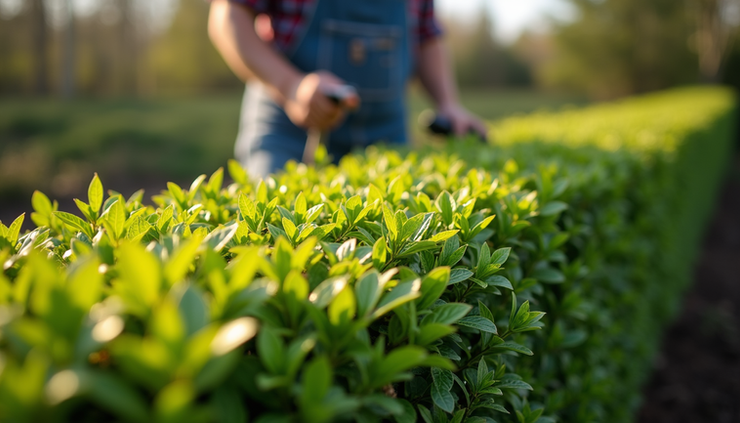
Why Timing Matters for Hedge Cutting
Hedges are living plants that respond to pruning based on their growth cycles. Cutting at the wrong time can:
Remove new buds needed for growth
Expose the plant to pests or diseases
Cause uneven or sparse regrowth
Stress the plant during extreme weather
Choosing the right moment to cut encourages healthy shoots and helps the hedge recover quickly. It also ensures your hedge stays dense and attractive throughout the year.
Best Time to Cut Different Types of Hedges
Evergreen Hedges
Evergreens like boxwood, yew, and holly keep their leaves year-round. They grow slowly and respond well to light trimming.
Ideal time: Late spring to early summer, after new growth appears
Reason: Trimming after the first flush of growth encourages a dense shape without cutting into old wood
Additional tip: Avoid heavy pruning in late summer or autumn to prevent new shoots that won’t harden before winter
Deciduous Hedges
Deciduous hedges such as beech, hornbeam, and hawthorn lose their leaves in winter and grow actively in spring and summer.
Ideal time: Late winter or early spring before buds open
Reason: Pruning while the plant is dormant reduces stress and allows fresh growth in spring
Second trim: A light trim in mid to late summer can help maintain shape and remove any unruly shoots
Flowering Hedges
Flowering hedges like lilac, forsythia, and spirea bloom on old or new wood depending on the species.
For spring-flowering types: Cut right after flowering to avoid removing next year’s buds
For summer-flowering types: Prune in late winter or early spring to encourage new growth and flowers
Signs Your Hedge Needs Cutting
Knowing when your hedge needs trimming is just as important as timing the season. Look for these signs:
Uneven or overgrown branches sticking out
Sparse areas where light passes through
Dead or damaged branches
Loss of shape or height control
Regular maintenance cuts keep your hedge healthy and prevent major overgrowth that requires heavy pruning.

Practical Tips for Cutting Your Hedge
Use sharp, clean tools to make smooth cuts and reduce damage
Cut at a slight angle to allow water to run off branches
Avoid cutting into old wood that has no leaves, as many hedges do not regrow from old wood
Remove no more than one-third of the hedge’s growth at a time to avoid stress
Dispose of cuttings properly to prevent pests and diseases
How Weather Affects Hedge Cutting
Avoid trimming hedges during extreme weather conditions:
Frost or freezing temperatures: Can damage fresh cuts and delay healing
Hot, dry weather: Cuts may dry out quickly, causing stress
Wet conditions: Increase risk of fungal infections on fresh cuts
Aim for mild, dry days with moderate temperatures for the best results.
Summary
Cutting your hedge at the right time supports strong, healthy growth and keeps your garden looking tidy. Evergreen hedges do best with light trimming in late spring or early summer. Deciduous hedges should be pruned in late winter or early spring before new buds open. Flowering hedges require timing based on their bloom cycle. Watch for signs that your hedge needs trimming and always use sharp tools and proper techniques. Avoid cutting during extreme weather to protect your plants.


Comments